Headquartered in Paso Robles, California

For many landowners, deciding to sell isn't merely a financial decision—it’s about timing, family history, and transitioning years of stewardship. Ranch properties carry complex variables that many real estate brokerages simply aren't equipped to handle: intricate water rights, grazing leases, Williamson Act contracts, topography, and multi-generational family dynamics. A misstep doesn't just cause delays; it erodes long-term value.
At Clark Company, we don't look at ranches as simple acreage on a map. Our story began in the Ojai Valley in the 1880s, and for six generations, our family has lived the western lifestyle. We actively operate and manage our own family ranches in San Luis Obispo County. When you work with Clark Company, you are partnering with a broker who understands cattle cycles, water development, and operational realities because he works the land himself.
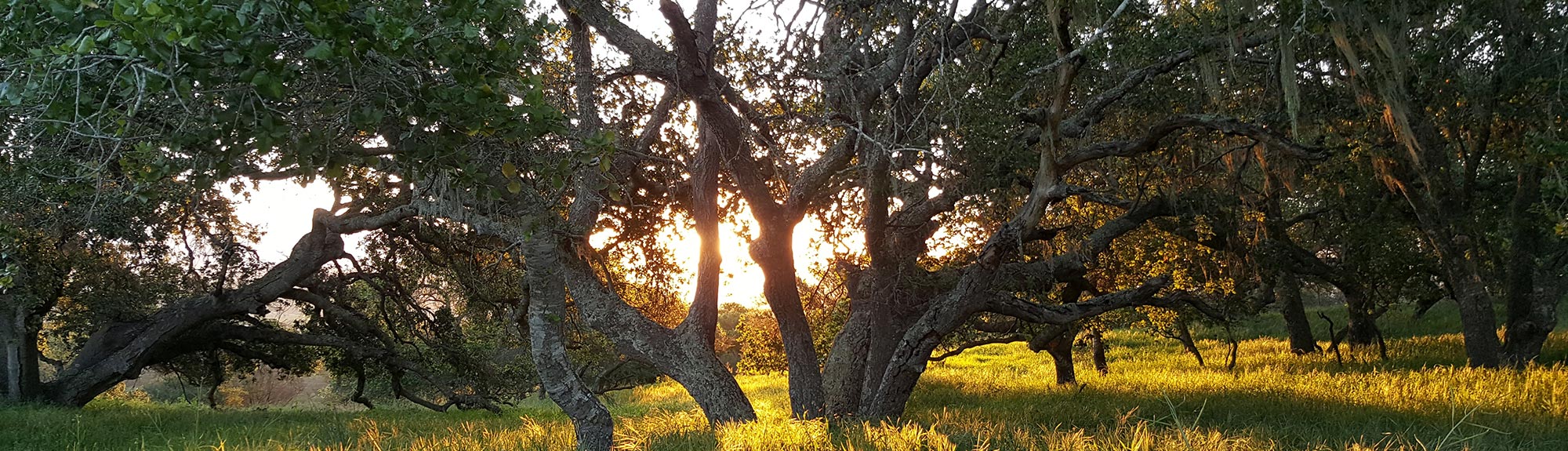
How much (or little) water we have shapes our economy, culture, and the nation at large, making it an increasingly important issue with overarching effects.
A 1031 exchange is a powerful tool that allows investors to defer capital gains taxes while reinvesting in similar properties, providing a unique advantage in the real estate market.
Competence over branding. Clark Company leverages six generations of agricultural expertise to protect your land’s legacy and navigate complex technical hurdles.
1. When is the best time of year to list my ranch?
While we can bring a property to market at any time, we strongly recommend capturing primary visual assets—drone footage, high-resolution photography, and digital mapping—during the spring months. This ensures your land is showcased at peak vitality when the range is green and water resources are most active.
2. How long does a typical ranch listing period and transaction take?
Ranch real estate is highly specialized, and finding the right buyer who understands the land's unique potential takes time. Because of this, our initial listing agreements are structured for one year, and it is not uncommon to extend into a second or third year to secure the right deal.
Once a buyer is under contract, the actual transaction timeline typically ranges from 30 days to 6 months. This window accounts for the complex technical due diligence required on agricultural land—including title reviews, boundary verification, water rights testing, and family transitions.
3: How does Clark Company’s compensation work and what are my upfront costs?
Clark Company absorbs all upfront marketing investments—including high-resolution photography, video and drone footage, custom mapping, printed brochures, and targeted advertising. Our compensation is strictly performance-based: an agreed-upon percentage paid through escrow only when your ranch successfully closes.
4: How are buyer’s agent commissions handled under current real estate rules?
In recent years, industry rules changed to mandate that buyers enter into written representation agreements directly with their brokers. While buyer’s agent compensation is negotiated independently, sellers still frequently choose to offer a credit or concession toward the buyer’s agent fee as part of the listing strategy.
5: When should we conduct well, water, or environmental testing on the ranch?
Routine items—like basic well production and water quality reports—are almost universally requested, so having those completed early prevents unnecessary delays. However, high-cost line items like Phase I environmental studies or boundary corner surveying should be handled during contract negotiations. Every buyer's requirements differ, and whether these specialized costs are covered by the buyer, seller, or split is negotiated directly as part of the purchase agreement.